
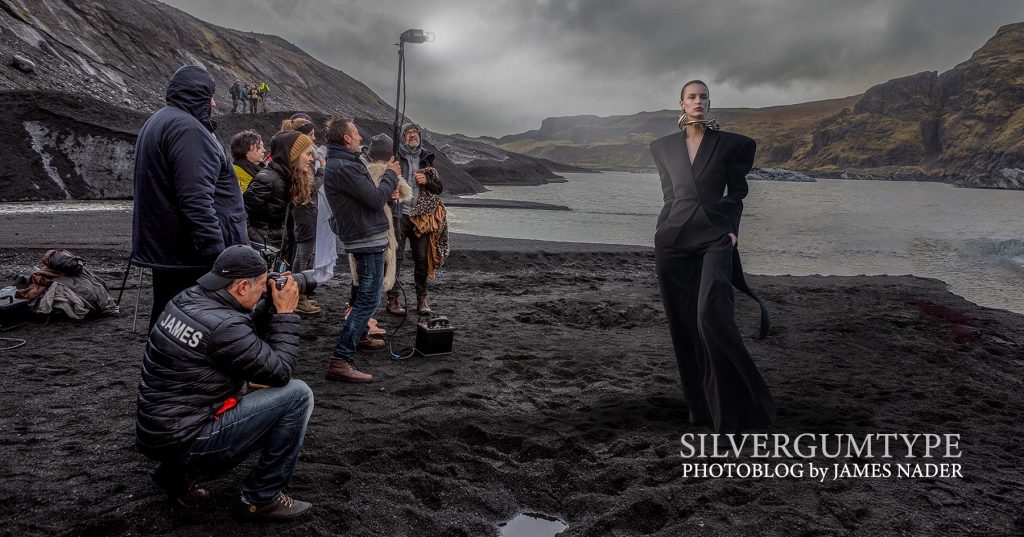
 Photography Mentorship with James Nader
Most photographers do not fail because of talent.
They fail because nobody ever shows them how to think like a professional photographer.
They learn cameras.
They learn editing.
They copy styles from social media.
But they never learn how to build a visual identity, how to make decisive creative choices, or how to position their work with authority.
So they spend years improving their technique while their photography remains uncertain.
The problem is rarely the camera.
The problem is direction.
The Flashship Photography Mentorship was created to solve that problem.
This programme is designed for photographers who know they have potential but feel their work has not yet reached the level it should.

The Moment Many Photographers Realise Something Is Missing
There comes a point in every photographer’s journey where something becomes obvious.
You have the equipment.
You understand the basics.
You are producing decent images.
But something still feels unresolved.
Your work does not yet have the presence you see in the photographers you admire.
Your portfolio feels scattered rather than intentional.
And when you look at your images, you know they could be stronger.
This is the moment when many photographers begin searching for answers.
Not another camera.
Not another editing preset.
But guidance.
A Question Many Photographers Avoid
There is a question every photographer eventually has to face.
Not about equipment.
Not about software.
A deeper question.
When someone looks at your photographs, do they immediately recognise that the work is yours?
Or could those images belong to almost anyone?
Many photographers never ask themselves this.
They focus on improving technique, learning new editing styles or buying better equipment.
But the real difference between photographers who progress and those who remain stuck is rarely equipment.
It is identity.
Professional photographers develop a body of work that carries presence and recognisable intent.
That does not happen by accident.
It happens when photographers begin making decisions differently.
A Quick Self-Assessment
If you are unsure where your photography currently stands, consider these questions.
When you look at your portfolio:
• Do your images feel like part of a coherent body of work, or a collection of experiments?
• Could someone recognise your photographic style without seeing your name attached?
• Do you feel confident directing light and shaping a scene, or are you reacting to whatever is already there?
• When clients or collaborators view your work, is your direction immediately clear?
• Do you know what kind of photographer you are becoming, or are you still searching?
These questions reveal something important.
Many photographers are improving technically, but they are not yet developing a clear photographic identity.
That is the turning point.

What Most Photography Education Never Teaches
Photography education usually focuses on technique.
Lighting setups.
Editing workflows.
Camera settings.
These things are useful. But they are not the real difference between photographers who struggle and photographers who develop a recognisable body of work.
The real difference lies in judgement.
Professional photographers learn how to see differently.
They learn how to control light, shape and form with intention.
They learn how to make decisions before the camera is even raised.
And most importantly, they learn how to build a body of work that communicates identity and authority.
That is what this mentorship is about.
Experience Behind the Mentorship
My name is James Nader.
For more than thirty years I have worked in fashion photography, editorial production and commercial campaigns across the United Kingdom and internationally.
Throughout that time I have worked in environments where decisions must be made quickly and confidently.
On commercial productions there is no room for hesitation.
The photographer must know how to shape light, direct people and create images that hold presence.
Over the years I realised that the difference between photographers who progress and those who plateau is rarely talent.
It is understanding.
Understanding how images are constructed.
Understanding how visual identity is developed.
Understanding how photographers position themselves in the industry.
The mentorship programme was created to share that understanding with photographers who want to develop further.
 The Flashship Photography Mentorship
The Flashship programme is a three month mentoring process designed to help photographers refine their creative thinking and strengthen their portfolio.
The aim is not simply to teach technique.
It is to help photographers develop clarity.
Clarity in their visual style.
Clarity in their decision making.
Clarity in how they present their work.
The programme is structured into three stages.
Month One. Understanding Your Visual Direction
The first stage focuses on identifying and refining your visual identity.
During this stage we analyse your existing portfolio and identify the strengths that define your work.
Together we develop a clearer photographic direction and begin shaping a portfolio that reflects that identity.
For many photographers this stage is the most transformative because it changes how they see their own work.
Month Two. Strengthening Technical Decisions
Once visual direction is established we focus on technical execution.
Lighting, composition and editing are examined in relation to the style you are developing.
The goal is not complexity but control.
Photographers learn how to shape light, structure compositions and create images that carry presence.
Month Three. Positioning Your Work Professionally
The final stage focuses on how your work is presented and positioned.
We refine your portfolio structure and explore how photographers build authority in the industry.
This stage often provides the clarity photographers need to move forward with confidence.
What Photographers Gain
By the end of the programme photographers often experience a noticeable shift.
Their work becomes more intentional.
Their portfolio becomes clearer and more focused.
And perhaps most importantly, their confidence as photographers grows.
The result is not simply better images.
It is a clearer sense of direction.
Who This Mentorship Is For
This programme is designed for photographers who feel their work has potential but lacks a clear identity.
It is particularly valuable for photographers who:
• feel creatively stuck
• want professional feedback on their work
• want to develop a recognisable visual style
• want guidance from an experienced photographer
It is not intended as a beginner photography course.
It is designed for photographers who are ready to take their work seriously.
Apply for the Photography Mentorship
Because this programme involves direct mentoring, places are limited.
Applications are reviewed personally to ensure the programme is suitable for each photographer.
If you would like more information about the mentorship or wish to apply, you can request details below.

THE FLAGSHIP PHOTOGRAPHY PROGRAMME
THREE-MONTH PRIVATE MENTORSHIP
This is not a course. It is a working relationship.
A structured three-month mentorship for photographers ready to rebuild how they see, decide, and position themselves professionally.
This programme is designed to move you away from creative burnout, underpaid work, and constant second-guessing. The outcome is clarity, confidence, and a body of work that communicates authority and attracts the right opportunities.
Limited spaces are available. Once enrolment closes, it closes.
MONTH ONE. CREATIVE DIRECTION AND VISUAL IDENTITY
✶ Initial one-to-one onboarding and portfolio review (Zoom)
✶ Personalised mentorship roadmap tailored to your goals
✶ Weekly journal prompts and vision-setting exercises
✶ Visual challenges including storyboarding and perspective studies
✶ Influence mapping and visual identity development
MONTH TWO. TECHNICAL DEVELOPMENT AND CONSISTENCY
✶ Lighting approaches and controlled workflow refinement
✶ Post-processing discipline with focus on monochrome consistency
✶ Structured shooting exercises using focused time blocks
✶ Portfolio sequencing and visual storytelling refinement
✶ Ongoing feedback via Zoom with written follow-up
MONTH THREE. COMMERCIAL READINESS AND POSITIONING
✶ Pricing strategy and value positioning review
✶ Website and social presence assessment
✶ Content and communication strategy development
✶ Final portfolio review and forward career roadmap
✶ Optional testimonial and exposure feature
Includes:
Templates, pitch guides, journal systems, SEO notes, email critiques, and a final strategic review call.
Full details and investment are provided upon request via email.
INITIAL ENGAGEMENT OPTIONS
For those seeking clarity before committing to a longer mentorship.
60-MINUTE PORTFOLIO AND STRATEGY REVIEW
A focused one-to-one Zoom session with direct critique of narrative, style, and structure. Practical next steps included.
40-MINUTE POWER SESSION
Fast, precise feedback for creative blocks, pitch clarity, or refining a specific body of work.
WRITTEN PORTFOLIO REVIEW
Submit 10 to 15 images for detailed written feedback with voice note commentary.
Full details available upon request via email.

CLIENT RESULTS
“James helped me rebuild my portfolio with clarity and purpose. I booked my first luxury campaign two months after our sessions.”
Natalie Hughes, Fashion Photographer
“In one hour, James gave me feedback I had been missing for years. He understands the business, not just the art.”
Omar Reed, Visual Artist
“The journaling and focus systems completely changed my workflow. I am producing stronger work in less time.”
Lara Jensen, Creative Freelancer
FREQUENTLY ASKED QUESTIONS
Do I need to be experienced?
No. I work with beginners, mid-level photographers, and established professionals.
Do you help with editing?
Yes. Particularly with Lightroom workflows, consistency, and monochrome development.
Will there be work between sessions?
Yes. Structured assignments, exercises, and reflective journaling are part of the process.
APPLY OR ENQUIRE
If you are serious about your photography and ready for clarity, structure, and experienced guidance, mentoring offers the most direct path forward.
Request Full Details or Apply Now
Email James Directly
Only a limited number of mentoring clients are accepted each quarter.
Request Full Details or Apply Now
Only a limited number of mentoring clients are accepted each quarter.